“Language is the road map of a culture. It tells you where its people come from and where they are going.” – Rita Mae Brown
This quote beautifully encapsulates the essence of translation, especially when dealing with vital documents like Brazilian birth and marriage certificates. These documents are more than just records; they are a testament to life’s pivotal moments, capturing not only personal histories but also the cultural nuances of a nation.
When translating these certificates into English, accuracy and cultural sensitivity are paramount. A birth certificate isn’t just about a date and place of birth; it carries legal and emotional significance. Similarly, a marriage certificate represents a union, often entangled with intricate legal terminology that varies by country.
This guide explores the key considerations for translating Brazilian birth and marriage certificates into English, ensuring that every detail—both linguistic and cultural—is preserved with care. Whether you’re navigating immigration, citizenship applications, or legal processes, understanding the translation intricacies will help you move forward with confidence.

1. Why Accurate Translation Matters
Birth and marriage certificates are more than just documents; they are legal proofs of identity, family relations, and civil status. For processes like immigration to Canada, these records must be translated precisely to avoid delays or rejections.
Key Requirements for IRCC:
- Certified translations of all documents not in English or French.
- Affidavits confirming the accuracy of the translation.
- Translators certified by recognized organizations like AITO (Association of International Translators and Organizations).
2. Unique Aspects of Brazilian Certificates
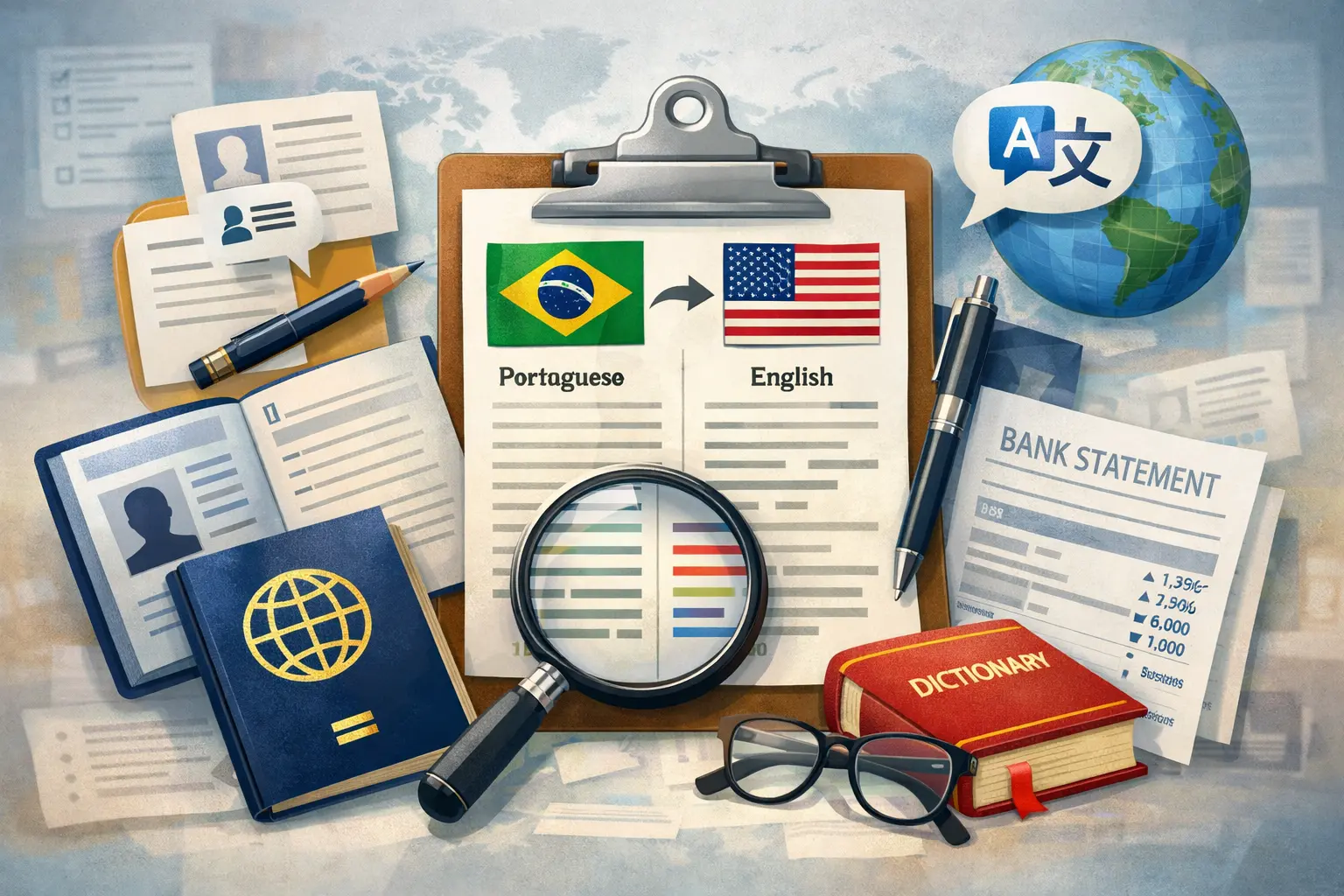
Brazilian birth and marriage certificates often include detailed information, such as:
- Full names and familial ties.
- Place and date of registration.
- Unique notations, like annotations for divorces or name changes in marriage records.
These complexities require translators to not only be fluent in Portuguese (Brazilian) and English but also have a deep understanding of legal terminologies and document structures.

3. Common Challenges in Translation
- Language Nuances: Brazilian Portuguese has unique expressions and legal jargon that may not have direct English equivalents.
- Formatting Standards: Translations must match the original document’s structure while adhering to IRCC requirements.
- Certification and Legalization: Certified translations are mandatory, and in some cases, documents must also be notarized or apostilled.
Solution: Hiring professional Portuguese (BZ) to English translation services ensures these challenges are managed effectively.
4. Best Practices for Translation
- Choose Certified Translators: Opt for translators with AITO certification or those recognized by Canadian authorities.
- Ensure Accuracy: Cross-check translations with the original document to avoid errors or omissions.
- Focus on Compliance: Understand and follow the IRCC’s specific requirements for translated documents.
Conclusion
When translating Brazilian birth and marriage certificates into English, precision and compliance are non-negotiable. These translations not only pave the way for smooth immigration processes but also preserve the integrity of your personal records.
For seamless and accurate results, trust professional Portuguese (BZ) to English translation services. Certified experts ensure that your documents meet IRCC standards and are ready for use in Canada or any other official context. Whether it’s a single certificate or a portfolio of documents, choosing reliable document translation from Portuguese (BZ) to English services is the key to a stress-free experience.